

Premier Sells Team Longport NJLongport NJ Real Estate

Jerome and Angel DiPentino of Long & Foster Real Estate

  • Home
  • Home Search
  • Our Listings
  • Rentals
  • Area Solds
    • Longport Sold Homes
    • Margate Sold Homes
    • Ventnor Sold Homes
  • Our Sold Homes
  • The Premier Team
    • About Long & Foster Real Estate
  • Contact

Ikea Studied Americans at Home. Here’s What It Found.

recycle

By: Deirdre Sullivan
Published: April 15, 2014


Ikea was curious about what Americans want from their homes. Surprisingly, it has nothing to do with expensive upgrades.

The Swedish retailer’s first annual “US Life at Home Report” uncovered that, above all else, 95% of Americans consider comfort a top home feature. We’re not talking about cushy furniture or other features that makes life at home physically more comfortable. It’s an emotional thing. Ikea found that American consumers want their homes to have a feel-good environment so they can let their hair down and connect with loved ones.

Here are more nuggets from the report:

We aren’t show-offs. In fact, we’re modest (!). Ikea says, “… home in the U.S. is not so much about status or wealth. Or keeping up with the Joneses.” Only a mere 1% wants their abodes to reflect their success.

We love living rooms. Maybe that’s why open kitchens are hot. Homeowners don’t want to be separated from their favorite room. Of those polled, 65% agree it’s the most popular spot in the house.

We feel cramped in the kitchen. We’re starved for kitchen storage. We also want more elbow room and counter space.

We use technology in the kitchen. But this has nothing to do with futuristic home gadgets. A total of 27% listen to music, use the computer, or watch TV while cooking or hanging out.

We stash stuff under our beds. The bedroom is another room that leaves us feeling squeezed for space. Fifty-four percent of Americans use the space under their beds for storage.

We want to save energy. If the opportunity popped up, 98% of us would buy an Energy Star-rated appliance. We’re also starting to shift away from inefficient incandescent light bulbs. Forty-three percent of us have transitioned to LED bulbs and have at least one in the house.

We’re getting greener. A whopping 71% of Americans recycle at home. Twenty-eight percent want to generate their own solar power.

The panel for this study consisted of 4,000 U.S. consumers:

  • A combination of male and female heads of household between the ages of 25-54
  • Household income of at least $35,000

“Visit HouseLogic.com for more articles like this. Reprinted from HouseLogic.com with permission of the NATIONAL ASSOCIATION OF REALTORS®.”


11 Reasons to Have a Sunny Outlook on Solar Panels

TOSHIBA Exif JPEG

By: John Riha
Published: June 17, 2014

Falling costs, a host of temporary incentives, and thousands in value-adds make this a great time to add solar power to your home.

Solar power for homes is going mainstream, and if you haven’t thought about adding the technology to your home, you should.

In addition to trimming energy costs and making your house more comfortable, you can take advantage of current rebates and tax credits that practically beg you to get on the solar bandwagon. Those incentives won’t last forever.

Need more convincing? Here are the top reasons to go solar:

1. The Price is (Getting) Right

As solar panels and installation methods get more efficient, the price of residential solar electricity has dropped a whopping 46% since 2010.

Meanwhile, the national average cost of an entire household system — one big enough to power the everyday needs of a family of four — has fallen from about $36,000 in 2010 to around $24,000, factoring in permits and installation.

That still puts solar in the range of a new car — and out of the reach of many — but there’s much more to the cost story.

2. Rebates, Incentives, and Credits — Oh My! (But They Won’t Last!)

Rebates and incentives offered by the local, state, and federal government can total as much as 50% of a system, depending on where you live. Some states even throw in exemptions for property taxes and sales taxes.

The biggest is the tax credit from the Feds. Until Dec. 31, 2016, you’re eligible for a tax credit of 30% of the price of your installed system.

Tip: Make sure your solar installer gives you a rundown of local and state incentives. And double check with your tax adviser.

3. Solar — It’s the Law

One big reason that states offer incentives is the RPS — the renewable portfolio standard. These are mandates some states have imposed on their utility companies, saying how much renewable energy (solar, wind) local utilities must provide their customers by such-and-such a date. Failure to comply means utilities will be fined heavily.

  • Hawaii has an ambitious RPS — 40% of the state’s energy must be from renewable energy sources by 2030.
  • New Jersey says 22.5% of its energy must be from renewables by 2021.
  • Wisconsin requires less but much sooner — 10% by 2015.

Those RPS mandates mean generous credits and rebates on solar, but they’re not here forever. In Wisconsin, for example, they’ll expire after 2015.

4. Payback Times are Shortening

As system prices fall, payback times — the number of years it takes to recoup your investment — are shortening. Payback times are now about half of what they used to be just five years ago; the average payback time is now around 11 years.

Local electrical rates determine how much money you’ll save, and how long it’ll take your energy savings to pay back the cost of a system.

After your payback is complete, years of pure energy savings add up. With annual savings averaging about $600 (and going up 2% to 3% each year), you’ll save thousands of dollars over the 25-year lifetime of a system.

5. You Don’t Need Lots of Sun

Annual energy savings from solar is much more about your local electrical rates than how sunny your locale is. Places with the highest rates enjoy more savings and more rapid payback on their systems.

Here’s a sampling of annual savings from solar energy from EnergySage.com:

  • New York City: $1,091 (224 sunny days per year, on average)
  • San Francisco: $916 (259 sunny days)
  • Phoenix: $701 (300 sunny days)
  • Boston: $641 (200 sunny days)
  • Minneapolis: $518 (198 sunny days)

6. You Don’t Have to Pay Up Front

One of the latest innovations in home solar is the leasing plan. With leasing, you pay nothing up front for your solar array. A crew comes over, sets you up with panels, a converter, a connection to the grid, and you’re good to go.

You sign a long-term lease agreement of 15 to 25 years and pay only for the solar-generated electricity, which is typically priced 10% to 25% lower than the cost charged by a local utility provider.

You’ll still pay your utility company nominal monthly maintenance fees to keep the grid up and running, plus charges for any electricity you use in excess of what your solar system can provide. Some solar leasing companies guarantee that whatever you spend — combined — will be less than your old monthly electric bill.

SolarCity, one of the world’s largest providers of home solar, throws in an upfront energy evaluation of your house, acquires all necessary permits and licenses (a big hassle; see “10. Soft Costs are Lowering”), and adds a personal website for monitoring your system and energy savings — all for free.

Leasing is a good way to go if you’re interested in adding solar but the upfront costs are a deal breaker. With leasing, you won’t own the system and won’t be able to reap the benefits of free electricity when the system is paid off, but you’ll still trim your monthly electric bill.

7. Big Builders are on Board

Solar providers are hooking up with home builders in increasing numbers, creating houses powered by the sun and bringing solar power into the mainstream homebuying experience. Solar home builders are some of the nation’s biggest, including Meritage and Pulte.

Shea Homes offers a line of homes called SheaXero that includes solar panels designed to take care of all household electrical needs. The system is standard, rather than an option.

8. Big Box Home Improvement Stores are on Board

Solar panels and systems are no longer exotic specialty items. In fact, you’ll find them at major retailers about as cheap as they can be found. For the DIYer determined to shave up to $5,000 from the cost of solar installation, off-the-shelf panels and converters are available.

Here’s a partial rundown of who has them:

  • Best Buy
  • Costco
  • Home Depot
  • Ikea
  • Walmart

9. Net Metering Rocks

Net metering is the term for what happens when your solar panels generate enough electricity to send the excess back to the grid — in effect, making your meter run backwards.

The regular, grid-produced electricity you use, minus whatever you generate from your rooftop panels, equals the “net” — what your utility company ultimately charges you. If you make more juice than you use, you typically get a credit that rolls over to next month’s bill.

It’s a terrific benefit for owners of solar installations and one way that solar helps pay for itself.

In an attempt to encourage the growth of renewable energy, almost all states have adopted laws that permit net metering. A 2005 federal law says all public utilities must provide net metering if requested by the state.

Every state has its own approach, and you’ll need to check with your local utility to figure out the net metering rules in your locale.

10. Soft Costs are Lowering

As prices for panels fall, solar energy is increasingly affordable. But prices will only fall so far.

Today one of the biggest hurdles is soft costs – the price of obtaining permits, connecting your system to the grid, and having everything inspected (whether your installation is pro or DIY). On average, soft costs add more than $2,500 to the price of home solar.

Reducing paperwork and cutting red tape helps installers be more efficient and lets them pass savings on to you. In Chicago, for example, recent streamlining has trimmed permit wait times from 30 days to one day — a huge boon for solar installation efficiency.

Trimming soft costs is an initiative of the U.S. Department of Energy, which has a stated goal of reducing the 2011 costs of solar energy 75% by 2020. The DOE is hoping a $5 million research grant will spur the development of “plug-and-play” systems that can be installed in a day.

11. Solar Adds Value

Studies by the Appraisal Institute, a worldwide association of real estate appraisers, say a home improvement that leads to documented energy savings can yield up to a 20-to-1 valuation. At that rate, if your solar array saves $1,000 per year, you can expect a $20,000 increase in your home’s value.

An actual valuation increase depends on the location and condition of your house.

That info is echoed by research from the Lawrence Berkeley National Laboratory that says every kilowatt of electricity your solar system is capable of generating adds about $3,500 to the resale value of a home. For a typical 5 kW system, that’s a $17,500 bump.

Tip: To get your marketing edge, document your energy bill before and after your solar installation.

Bonus: You Can Save the Planet

Add “save the planet” to the list of benefits and you’d be right — lowering reliance on fossil fuels reduces pollution for everybody. But if you’re like most people, that’s not a big motivator.

When asked what was the most-convincing reason for installing solar power, only 3% of respondents said “reducing environmental impact,” according to a survey from national polling firm Zogby Analytics.

The most popular answer from homeowners was “low upfront costs,” followed closely by “save money on monthly utility bill.”

Saving money is good. And while you’re at it, you can add “saving jobs” to the list of bennies.

“Solar energy is a tremendous driver of economic growth and jobs,” says Jonathan Bass, vice president of communications at SolarCity. “Right now we’re hiring upwards of 400 people per month.”

“Visit HouseLogic.com for more articles like this. Reprinted from HouseLogic.com with permission of the NATIONAL ASSOCIATION OF REALTORS®.”
If You Were Selling Today, Would You Have the Home That Buyers Want?

green

By: Dona DeZube
Published: November 8, 2013

Knowing what appeals to today’s homebuyers, and considering those trends when you remodel, can pay off years from now when you sell your home.

Two new surveys about what homebuyers want have me feeling pretty smug about my own home choices. Maybe you’ll feel the same.

Privacy from neighbors remains at the top of the most-wanted list (important to 86% of buyers), according to the NATIONAL ASSOCIATION OF REALTORS’® “2013 Community Preference Survey.” Privacy is no doubt the best feature of my mid-century ranch home, since I can only see one neighbor’s house and it’s a couple hundred feet down my driveway.

It may not be practical to move your neighbors farther away (although I’m sure many people wish they had that superpower), but you can increase your home’s privacy (and therefore its resale value) by planting a living privacy screen of trees and shrubs or by physically screening off your patio.

3 More Takeaways for the Next Time You Remodel

1. More and more generations are living together. Another NAR survey, the “2013 Profile of Home Buyers and Sellers,” found 14% of buyers purchased a home suited to a multigenerational household due to children over the age of 18 moving back into the house, cost savings, and the health and caretaking of aging parents.

I did that back when my parents were still alive, and it worked out great for everyone. I didn’t have time to let my infant daughter nap on my shoulder all afternoon, but my mom did. She couldn’t drive to church meetings at night, but I could take her. And neither of us liked cleaning the gutters, but my husband didn’t mind that chore.

Even if you’d rather live in a cardboard box than with your mother, you might want to consider the multigenerational living trend when you’re remodeling. For instance, opting for a full bath when finishing the basement could offer more convenience for you now and boost your home’s resale value by making it more appealing to a multigenerational family.

2. On average, homeowners live in their home for nine years. That’s up from six years in 2007. Since you’ll be in your home for a long time, it makes sense to remodel to suit your taste but also with long-lasting marketability in mind. After all, you don’t want to have to redo stuff. For instance, you can go for trend-defying kitchen features, like white overtones and Shaker-style cabinets, which work with a variety of styles.

I feel compelled to caution against going so far out of the norm for your neighborhood that it’ll turn off potential buyers even nine years from now. (It never hurts to get your REALTOR®’s opinion on your remodeling plans.)

3. Homebuyers love energy efficiency. Heating and cooling costs were “somewhat” or “very important” to a whopping 85% of buyers. If your home could use an energy-efficiency upgrade, go with projects that have a solid return on investment, like sealing your air leaks and adding attic insulation. You’ll save money on your utility bills now and when you’re ready to sell, your home will appeal to buyers looking for efficiency.

By the way, to take back your energy bills, you need to do at least four things. One to two fixes won’t cut it, thanks to rising energy costs.

About two-thirds of survey respondents also thought energy-efficient appliances and energy-efficient lighting were important. Tuck away your manuals and energy-efficiency information when you buy new appliances and lighting. When you’re ready to sell (in nine years) you can pull those out and display them where buyers will see them.


“Visit HouseLogic.com for more articles like this. Reprinted from HouseLogic.com with permission of the NATIONAL ASSOCIATION OF REALTORS®.”
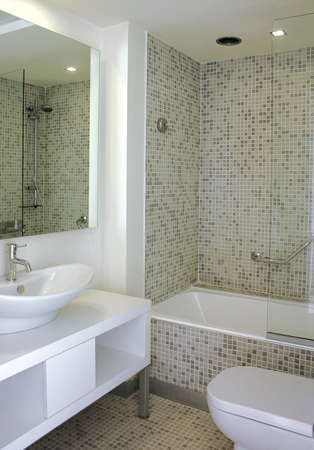
10 Inside Tips From a Designer Who Specializes in Small Baths

bath

By: Dona DeZube
Published: December 27, 2012

A New York City designer shares secrets to making a small bath both functional and beautiful.

Got a small bathroom to renovate? Go wild with texture and colors if it’s a rarely used guest bath, but stick to clean and simple in a master bath.

That’s the word from designer Jamie Gibbs, who transforms incredibly small New York City bathrooms into beautiful spaces. “I liked being shocked by details in a little space, especially if it’s not going to be used much,” Gibbs says.

His small-bath secrets:

1. Avoid textures in bathrooms that get daily use. In a heavily used bathroom, anything with texture becomes a collection spot for mold, mildew, and toothpaste. Say no to carved vessel sinks or floor tile with indentations.

2. Be careful with no-enclosure showers with drains right in the floor. These Euro showers allow for a feeling of openness, but the average American contractor doesn’t know how to waterproof the floor for them, Gibbs says. The tile seals can be compromised if not installed correctly, causing the materials to decompose, and water to leak underneath.

3. Use opaque windows and skylights to let light filter into all parts of the bath. A long skinny window with frosted glass means you don’t have to burn high-wattage light bulbs. Make sure water condensation will roll off the window into an appropriate place (i.e. not the framing or the wall) to avoid future maintenance issues.

4. Look for fixtures that have a single handle rather than separate hot and cold taps. “Space-saving gearshift faucets are a very good choice in small bathrooms,” says Gibbs. You’ll also save money by not having to drill holes in the countertop for the hot and cold taps.

5. Save space with wall-mounted toilets and bidets, but be aware that the water tank goes into the wall. That’s fine if space is such a premium that you won’t mind going into the wall to make any repairs. But if you share a wall with a neighbor, that’s a different issue.

6. Use a wall-mount faucet to make a reduced-depth vanity work in a small space. “I can get away with a 22” vanity instead of a 24” vanity with a wall mount faucet,” Gibbs says.

7. Check the space between the handles and the faucet of any space-saving fixtures. “If you can only get a toothbrush in it to clean, you’ll save space, but it’s functionally stupid,” Gibbs says. Make sure the sink is functional, too. If you’re using a vessel sink, make sure it’s large enough and not too high. “If it’s too high, you’ll knock it so many times that the fittings will come loose,” Gibbs says.

8. A pedestal sink is all form and no function. “It’s a great-looking sink, but there’s no place to [set] anything,” Gibbs says.

9. Wall-mounted vanities seem like they’re space savers, but they create dead space between the vanity and the floor — a space that often accumulates junk and never gets cleaned.

10. If you’re comfortable with it, go European and put up a glass walls between the bathroom and bedroom to create the illusion of space. Or put bathroom fixtures in the bedroom just outside the bath.

“Visit HouseLogic.com for more articles like this. Reprinted from HouseLogic.com with permission of the NATIONAL ASSOCIATION OF REALTORS®.”

8 Places to Go When Your Mortgage Lender Says No

house

By: Dona DeZube
Published: February 4, 2014

New mortgage rules draw some pretty clear lines about who should — and shouldn’t — get a mortgage. If you fall outside the lines and your lender says no, you have eight other options.

New mortgage rules are pretty clear about what you have to do to convince a lender you’re a qualified mortgage borrower. Meant to measure your ability to repay, the new rules created a list of eight things lenders had to check to make sure you could repay your mortgage.

Those protections help ensure we’re not going to see a repeat of the mortgage crisis any time soon. The new rules are also designed to reward banks for staying away from risky products like interest-only loans. But if you can’t meet any of the eight standards you’re going to find it harder to get a new mortgage or refinance your existing mortgage.

The NATIONAL ASSOCIATION OF REALTORS® predicts the changes will slice about 5% to 7% of borrowers out of the market.

Where do you turn if you’re in that 5% to 7% or you like your balloon loan and want to refinance into another balloon loan?

The fine print in the new rules created some exemptions that you can use to try again if you don’t meet one or two of the eight qualified mortgage checks, or if you want to go with a loan product that the rules discourage lenders from making.

1. Your State Housing Finance Authority

State Housing Finance Authorities specialize in helping first-time and low-to-moderate income homebuyers and homeowners. They’ll often give you a below-market interest rate or the option of putting down as little as 3%.

In exchange, you’ll likely have to agree to complete a financial education course and prove every penny of your income.

Historically, HFAs have had much lower rates of late payments and foreclosures than for-profit lenders, so they’re exempt from the rules.

2. An Itty-Bitty Bank

Banks and credit unions that have less than $2 billion in assets and make 500 or fewer first mortgages don’t have to follow the same rules as larger lenders.

That’s because they didn’t make the risky loans that led to high foreclosure rates during the mortgage crisis. Plus, they tend to hold on to the loans they make (rather than selling them to investors). That makes it easier for the bank to work with customers who run into financial trouble.

Small lenders can charge higher fees and interest rates than big banks, which they need to do if you have a tiny loan amount, because some fees, like a title search, cost the same no matter how big or small your loan is.

If, for example, you had a $20,000 mortgage, the fee cap would limit you to $1,000 in fees, which probably isn’t enough to cover a title search and appraisal. Although the bank would still earn interest on your loan, it would have to pay the fees for you — and no bank wants to do that.

Some small lenders can still make balloon loans, where you owe one big payment at the end of your loan. A balloon loan has a lower monthly payment than a regular mortgage loan where each month you pay back some of the money you borrowed instead of just interest.

The catch is that the small lender has to hold on to your loan for at least three years and can’t sell it into the secondary market.

So you’ve got to persuade the bank that your mortgage is a good investment. Small bankers can be very conservative lenders, which is another reason they didn’t end up with a lot of foreclosures on their hands during the real estate crisis.

Right now, any lender who meets the size rule can use the small lender exemption. Starting Jan. 10, 2016, only small lenders in rural underserved areas will get to use the exemption, so don’t delay trying this avenue unless you live in a sparsely populated place.

3. A Government-Guaranteed Loan

The new rules set a clear line for how much of your income, max, you should be using for debt: 43%. If you’re above that limit because you have too much debt or not enough income, there’s a work-around.

You can go over the 43% limit if your loan is guaranteed by Fannie Mae, Freddie Mac, the Federal Housing Administration, the VA, or the U.S. Department of Agriculture’s rural housing loan program.

4. Community Development Nonprofits

Nonprofit lenders who work with low- and moderate-income borrowers don’t have to follow the new mortgage rules. As long as they don’t make more than 200 loans a year, they can create special loan programs to help the people in their community.

Community Development Financial Institutions set up shop in areas undergoing revitalization. They target a particular community for assistance, including homebuyer incentives. CDFI lenders also don’t have to follow the new mortgage rules.

5. Homeownership Preservation and Foreclosure Prevention Programs

If you’re underwater on your mortgage, meaning you owe more than your home is worth, you can still get a loan from a foreclosure prevention program or a homeownership stabilization organization. Because these groups have a history of knowing how to help troubled homeowners, they don’t have to follow the new mortgage rules.

6. A Safer Loan

If you’re in a dangerous, unfair loan right now and you want to refinance into a safer loan, your lender doesn’t have to follow the eight standards when it gives you a better loan. There’s an exemption from the ability to repay standards when a lender is moving a borrower out of:

  • An adjustable-rate mortgage that’s about to adjust to a much higher payment.
  • An interest-only loan.
  • A loan with negative amortization (meaning the amount you owe can go up even if you make all your payments).

Your new standard loan:

  • Has to have a fixed rate for the first five years.
  • Must lower your monthly payment.
  • Can’t have fees of more than 3% of the amount you’re borrowing.

7. A Work-Around

If you’re rich enough that your bank has assigned you a personal wealth manager, that’s the person to talk to when it’s time to refinance. Your bank will want to keep you as a customer and will find a work-around to fund your loan.

For example, if you’re using more than 43% of your income for debt but you can show you have millions in assets, your personal banker will make the case that you’re quite able to repay your mortgage even though you don’t meet the debt-to-income rule.

8. Another Kind of Loan

The new mortgage rules don’t apply to all loans. It specifically doesn’t include:

  • Open-ended loans.
  • Timeshare loans.
  • Reverse mortgages.
  • Temporary loans, including bridge and construction, and the construction phase of construction-to-permanent loans.
  • Loans from the bank of Mom and Dad.

If one of those types of loans will work instead of a mortgage, you won’t have to meet the new mortgage rules.

“Visit HouseLogic.com for more articles like this. Reprinted from HouseLogic.com with permission of the NATIONAL ASSOCIATION OF REALTORS®.”

Quick Ways to Make Some Shade, But Don’t Forget: Trees Are Best

gazebo

If you prefer a drier cool, as opposed to the misters we mentioned yesterday, read on to find some quick ways to make some shade. Plus, get some tips on getting shade with some quick-growing trees.

Immediate relief

Umbrellas, awnings, and quick-assembly patio tents are quick, although sometimes costly, methods of creating shade instantly.

The ubiquitous patio umbrella—found even in grocery stores for $30—can either stand alone upright or offset, or slip into a hole in your patio table.

Choose an umbrella that tilts, so you can block the sun at any angle. Or get one that’s fabulous, like Frontgate’s Rimbou Lotus Shade, which looks like a giant palm frond. (Cost: $1,795.)

Retractable awnings, a permanent feature of older southern homes, are traditional shade makers for outdoor areas up to 12 feet from your house. Motorized awnings take the fuss out of opening and closing. Depending on size and what kind of bells and whistles they come with, awnings typically cost from $400 to $3,000.

Portable awnings are my favorite, because they make shade wherever, not just areas close to the house. SunSetter’s Large Oasis Freestanding Awning, measuring 16 ft. by 10 ft., can provide 160 sq. ft. of shade. (Cost: $1,549 manual; $2,099 motorized.)

A cloth gazebo (aka patio tent or canopy) is another option that’s great for entertaining. You can go simple and inexpensive ($50 for Target’s Outdoor Patio Pariesienne Gazebo Canopy, though online reviews indicate you get what you pay for). Or you can step it up with the Garden Oasis Lighted Gazebo, complete with lights and netting for $700 at Sears.

Long-term re-leaf

Growing shade trees is the greenest—and slowest—way to block the sun on patios and decks. There’s nothing as cool as sitting under the shade of an old oak tree.

If you can’t wait 20 years for a little shade, plant a quick-growing variety which, in tree language, means it grows a couple of feet or more each year. You can rush the process by paying more and buying big trees, and you’ll see a return on your investment. Here are some species to consider.

  • American Elm: (Zones 2-9) Grows rapidly up to 100 feet tall and 120 feet wide. Adapts to varied climates and soil conditions.
  • October Glory Red Maple: (Zones 4-9) Provides a 35-foot spread and grows to 40 feet high.
  • Sawtooth Oak: (Zones 4-9) Dark green summer foliage turns yellow to brown in fall. Wildlife will love its acorns.
  • Chinese Pistache: (Zones 6-9) Wonderful wide canopy and grows in all but the coldest zones.
  • Natchez Crape Myrtle: (Zones 7-10) Lots of long-blooming white flowers and cinnamon-colored bark.

How do you block the sun from baking your patio or deck in summer? Did you plant a tree a few years back that is now rewarding you with lots of shade? We’d love to know!


By: Lisa Kaplan Gordon
Published: May 24, 2011

Read more: http://members.houselogic.com/articles/quick-ways-make-some-shade-dont-forget-trees-are-best/preview/#ixzz33gV0Sinc
“Visit HouseLogic.com for more articles like this. Reprinted from HouseLogic.com with permission of the NATIONAL ASSOCIATION OF REALTORS®.”

7 Tips for Staging Your Home

paint

Make your home warm and inviting to boost your home’s value and speed up the sale process.

The first step to getting buyers to make an offer on your home is to impress them with its appearance so they begin to envision themselves living there. Here are seven tips for making your home look bigger, brighter, and more desirable.

1. Start with a clean slate.

Before you can worry about where to place furniture and which wall hanging should go where, each room in your home must be spotless. Do a thorough cleaning right down to the nitpicky details like wiping down light switch covers. Deep clean and deodorize carpets and window coverings.

2. Stow away your clutter.

It’s harder for buyers to picture themselves in your home when they’re looking at your family photos, collectibles, and knickknacks. Pack up all your personal decorations. However, don’t make spaces like mantles and coffee and end tables barren. Leave three items of varying heights on each surface, suggests Barb Schwarz of Staged Homes in Concord, Pa. For example, place a lamp, a small plant, and a book on an end table.

3. Scale back on your furniture.

When a room is packed with furniture, it looks smaller, which will make buyers think your home is less valuable than it is. Make sure buyers appreciate the size of each room by removing one or two pieces of furniture. If you have an eat-in dining area, using a small table and chair set makes the area seem bigger.

4. Rethink your furniture placement.

Highlight the flow of your rooms by arranging the furniture to guide buyers from one room to another. In each room, create a focal point on the farthest wall from the doorway and arrange the other pieces of furniture in a triangle around the focal point, advises Schwarz. In the bedroom, the bed should be the focal point. In the living room, it may be the fireplace, and your couch and sofa can form the triangle in front of it.

5. Add color to brighten your rooms.

Brush on a fresh coat of warm, neutral-color paint in each room. Ask your real estate agent for help choosing the right shade. Then accessorize. Adding a vibrant afghan, throw, or accent pillows for the couch will jazz up a muted living room, as will a healthy plant or a bright vase on your mantle. High-wattage bulbs in your light fixtures will also brighten up rooms and basements.

6. Set the scene.

Lay logs in the fireplace, and set your dining room table with dishes and a centerpiece of fresh fruit or flowers. Create other vignettes throughout the home — such as a chess game in progress — to help buyers envision living there. Replace heavy curtains with sheer ones that let in more light.

Make your bathrooms feel luxurious by adding a new shower curtain, towels, and fancy guest soaps (after you put all your personal toiletry items are out of sight). Judiciously add subtle potpourri, scented candles, or boil water with a bit of vanilla mixed in. If you have pets, clean bedding frequently and spray an odor remover before each showing.

7. Make the entrance grand.

Mow your lawn and trim your hedges, and turn on the sprinklers for 30 minutes before showings to make your lawn sparkle. If flowers or plants don’t surround your home’s entrance, add a pot of bright flowers. Top it all off by buying a new doormat and adding a seasonal wreath to your front door.

By: G. M. Filisko
Published: March 19, 2010

G.M. Filisko is an attorney and award-winning writer who occasionally rearranges her furniture to find the best placement—and keep her dog on his toes. A frequent contributor to many national publications including Bankrate.com, REALTOR® Magazine, and the American Bar Association Journal, she specializes in real estate, business, personal finance, and legal topics.

Read more: http://members.houselogic.com/articles/7-tips-staging-your-home/preview/#ixzz33gSYO2BN
“Visit HouseLogic.com for more articles like this. Reprinted from HouseLogic.com with permission of the NATIONAL ASSOCIATION OF REALTORS®.”

6 Tips for Choosing the Best Offer for Your Home

contract

Have a plan for reviewing purchase offers so you don’t let the best slip through your fingers.

You’ve worked hard to get your home ready for sale and to price it properly. With any luck, offers will come quickly. You’ll need to review each carefully to determine its strengths and drawbacks and pick one to accept. Here’s a plan for evaluating offers.

1. Understand the process

All offers are negotiable, as your agent will tell you. When you receive an offer, you can accept it, reject it, or respond by asking that terms be modified, which is called making a counteroffer.

2. Set baselines

Decide in advance what terms are most important to you. For instance, if price is most important, you may need to be flexible on your closing date. Or if you want certainty that the transaction won’t fall apart because the buyer can’t get a mortgage, require a prequalified or cash buyer.

3. Create an offer review process

If you think your home will receive multiple offers, work with your agent to establish a time frame during which buyers must submit offers. That gives your agent time to market your home to as many potential buyers as possible, and you time to review all the offers you receive.

4. Don’t take offers personally

Selling your home can be emotional. But it’s simply a business transaction, and you should treat it that way. If your agent tells you a buyer complained that your kitchen is horribly outdated, justifying a lowball offer, don’t be offended. Consider it a sign the buyer is interested and understand that those comments are a negotiating tactic. Negotiate in kind.

5. Review every term

Carefully evaluate all the terms of each offer. Price is important, but so are other terms. Is the buyer asking for property or fixtures—such as appliances, furniture, or window treatments—to be included in the sale that you plan to take with you?

Is the amount of earnest money the buyer proposes to deposit toward the downpayment sufficient? The lower the earnest money, the less painful it will be for the buyer to forfeit those funds by walking away from the purchase if problems arise.

Have the buyers attached a prequalification or pre-approval letter, which means they’ve already been approved for financing? Or does the offer include a financing or other contingency? If so, the buyers can walk away from the deal if they can’t get a mortgage, and they’ll take their earnest money back, too. Are you comfortable with that uncertainty?

Is the buyer asking you to make concessions, like covering some closing costs? Are you willing, and can you afford to do that? Does the buyer’s proposed closing date mesh with your timeline?

With each factor, ask yourself: Is this a deal breaker, or can I compromise to achieve my ultimate goal of closing the sale?

6. Be creative

If you’ve received an unacceptable offer through your agent, ask questions to determine what’s most important to the buyer and see if you can meet that need. You may learn the buyer has to move quickly. That may allow you to stand firm on price but offer to close quickly. The key to successfully negotiating the sale is to remain flexible.


G.M. Filisko is an attorney and award-winning writer who has survived several closings. A frequent contributor to manynational publications including Bankrate.com, REALTOR® Magazine, and the American Bar Association Journal, she specializes in real estate, business, personal finance, and legal topics.

By: G. M. Filisko
Published: February 10, 2010

Read more: http://members.houselogic.com/articles/6-tips-choosing-best-offer-your-home/preview/#ixzz33gVg6oL3
“Visit HouseLogic.com for more articles like this. Reprinted from HouseLogic.com with permission of the NATIONAL ASSOCIATION OF REALTORS®.”
Dos and Don’ts of Homebuyer Incentives

home taxes

Homebuyer incentives can be smart marketing or a waste of money. Find out when and how to use them.

Be sure you’re sending the right message to buyers when you throw in a homebuyer incentive to encourage them to purchase your home.

When you’re selling your home, the idea of adding a sweetener to the transaction—whether it’s a decorating allowance, a home warranty, or a big-screen TV—can be a smart use of marketing funds. To ensure it’s not a big waste, follow these dos and don’ts:

Do use homebuyer incentives to set your home apart from close competition. If all the sale properties in your neighborhood have the same patio, furnishing yours with a luxury patio set and stainless steel BBQ that stay with the buyers will make your home stand out.

Do compensate for flaws with a homebuyer incentive. If your kitchen sports outdated floral wallpaper, a $3,000 decorating allowance may help buyers cope. If your furnace is aging, a home warranty may remove the buyers’ concern that they’ll have to pay thousands of dollars to replace it right after the closing.

Don’t assume homebuyer incentives are legal. Your state may ban homebuyer incentives, or its laws may be maddeningly confusing about when the practice is legal and not. Check with your real estate agent and attorney before you offer a homebuyer incentive.

Don’t think buyers won’t see the motivation behind a homebuyer incentive. Offering a homebuyer incentive may make you seem desperate. That may lead suspicious buyers to wonder what hidden flaws exist in your home that would force you to throw a freebie at them to get it sold. It could also lead buyers to factor in your apparent anxiety and make a lowball offer.

Don’t use a homebuyer incentive to mask a too-high price. A buyer may think your expensive homebuyer incentive—like a high-end TV or a luxury car—is a gimmick to avoid lowering your sale price. Many top real estate agents will tell you to list your home at a more competitive price instead of offering a homebuyer incentive. A property that’s priced a hair below its true value will attract not only buyers but also buyers’ agents, who’ll be giddy to show their clients a home that’s a good value and will sell quickly.

If you’re convinced a homebuyer incentive will do the trick, choose one that adds value or neutralizes a flaw in your home. Addressing buyers’ concerns about your home will always be more effective than offering buyers an expensive toy.

G.M. Filisko is an attorney and award-winning writer who gritted her teeth and chose a huge price decrease over an incentive to sell a languishing property—and is glad she did. A regular contributor to many national publications including Bankrate.com, REALTOR® Magazine, and the American Bar Association Journal, she specializes in real estate, business, personal finance, and legal topics.


By: G. M. Filisko
Published: September 1, 2010

Read more: http://members.houselogic.com/articles/dos-and-donts-homebuyer-incentives/preview/#ixzz33gRs6Urb
“Visit HouseLogic.com for more articles like this. Reprinted from HouseLogic.com with permission of the NATIONAL ASSOCIATION OF REALTORS®.”
6 Reasons to Reduce Your Home Price

house

While you’d like to get the best price for your home, consider our six reasons to reduce your home price.

Home not selling? That could happen for a number of reasons you can’t control, like a unique home layout or having one of the few homes in the neighborhood without a garage. There is one factor you can control: your home price.

These six signs may be telling you it’s time to lower your price.

1. You’re drawing few lookers

You get the most interest in your home right after you put it on the market because buyers want to catch a great new home before anybody else takes it. If your real estate agent reports there have been fewer buyers calling about and asking to tour your home than there have been for other homes in your area, that may be a sign buyers think it’s overpriced and are waiting for the price to fall before viewing it.

2. You’re drawing lots of lookers but have no offers

If you’ve had 30 sets of potential buyers come through your home and not a single one has made an offer, something is off. What are other agents telling your agent about your home? An overly high price may be discouraging buyers from making an offer.

3. Your home’s been on the market longer than similar homes

Ask your real estate agent about the average number of days it takes to sell a home in your market. If the answer is 30 and you’re pushing 45, your price may be affecting buyer interest. When a home sits on the market, buyers can begin to wonder if there’s something wrong with it, which can delay a sale even further. At least consider lowering your asking price.

4. You have a deadline

If you’ve got to sell soon because of a job transfer or you’ve already purchased another home, it may be necessary to generate buyer interest by dropping your price so your home is a little lower priced than comparable homes in your area. Remember: It’s not how much money you need that determines the sale price of your home, it’s how much money a buyer is willing to spend.

5. You can’t make upgrades

Maybe you’re plum out of cash and don’t have the funds to put fresh paint on the walls, clean the carpets, and add curb appeal. But the feedback your agent is reporting from buyers is that your home isn’t as well-appointed as similarly priced homes. When your home has been on the market longer than comparable homes in better condition, it’s time to accept that buyers expect to pay less for a home that doesn’t show as well as others.

6. The competition has changed

If weeks go by with no offers, continue to check out the competition. What have comparable homes sold for and what’s still on the market? What new listings have been added since you listed your home for sale? If comparable home sales or new listings show your price is too steep, consider a price reduction.


G.M. Filisko is an attorney and award-winning writer who made strategic price reductions that led to the sale of a Wisconsin property. A frequent contributor to many national publications including Bankrate.com, REALTOR® Magazine, and the American Bar Association Journal, she specializes in real estate, business, personal finance, and legal topics.

By: G. M. Filisko
Published: March 19, 2010


Read more: http://members.houselogic.com/articles/6-Reasons-To-Reduce-Your-Home-Price/preview/#ixzz33gU5zoZ3
“Visit HouseLogic.com for more articles like this. Reprinted from HouseLogic.com with permission of the NATIONAL ASSOCIATION OF REALTORS®.”

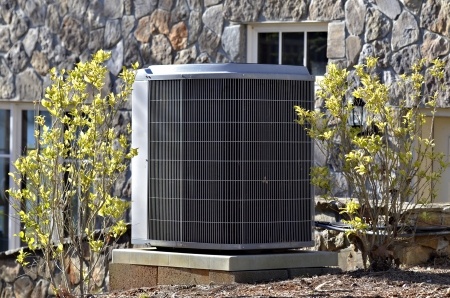
Think Your AC Won’t Make it Through the Summer? We’ve Got the Fixes

hvac

Is your AC making ominous noises? Maybe it sounds fine but isn’t cooling. Here’s a list of common air conditioning warning signs and their likely causes and fixes.

“Let comfort be your guide,” says Tom Hutchinson of Hutchinson Plumbing Heating Cooling. Air conditioning is all about comfort, so the simplest way to evaluate your system is to ask: Am I comfortable?

Air conditioning and HVAC units don’t last forever — 12 years is an average lifespan — and the moment they fail is usually when you need them the most.

The good news is that not every system malfunction spells total doom. Many nuisances are so cheap and easy to fix, you’ll kick yourself for not doing them sooner.

Warning sign #1: My air conditioning won’t turn on

Possible cause: Often, the most likely culprit is the easiest to remedy: the thermostat isn’t set correctly, or power isn’t reaching the AC unit.

The fix: Check to see that the thermostat is set to AC or “cool,” that the temperature setting is correct, and that the battery is fresh. Second, check the circuit breaker: It could simply be a tripped fuse.

Cost: Free

Warning sign #2: I’m not as comfortable as I was last year

Possible cause: “Airflow is paramount to comfort,” notes Hutchinson. If you aren’t comfortable, the problem usually can be traced to issues with airflow.

The fix: Change the filter. (You should do this as part of regular HVAC maintenance anyway.) Depending on the quality of the filter, the amount of people living in the house, and if there are pets, the filter should be changed every 30-90 days.

Outdoors, make sure there’s at least 24 inches of clearance on the sides and 5 feet on top of the unit. Also, check to make sure there are no obstructions to the home’s cold air returns and registers.

Cost:
$5 to $20, depending on filter.

Warning sign #3: My utility bills are abnormally high

Possible cause: A spike in operating costs typically signals inefficient operation. After a dirty filter (warning sign #2), the most likely culprit is a choked condensing coil. Located within the outdoor unit, the coil has countless cooling fins — much like a car radiator — that can accumulate dust and debris.

The fix: Call out a pro for a spring tune-up.

Cost: $75 to $150

Warning sign #4: Weird noises during startup and operation

Possible cause: Rattling, buzzing, or ticking? The good news is that the cause might be little more than a loose screw. The bad news is that it could be caused by a bum blower motor (indoors) or bent fan blade (outdoors).

The fix: If you’re lucky, a simple tightening here and lubricating there will fix the problem. If not, you might require a new fan motor or fan blade.

Cost:
$75 for an inspection and tune-up; $750 for a new motor.

Warning sign #5: The AC shuts off before or long after I’m comfortable

Possible cause: Improper placement of the thermostat can wreak havoc on one’s comfort. The unit might be in direct sun, too close to a register, or near a hot oven. Also, a remodel might have you spending more time where the thermostat is not.

The fix:
Relocate the thermostat.

Cost: Free if you’re handy (and plan on reusing the same unit), up to $150 for a new programmable unit and somebody to install it.

Warning sign #6: There’s a puddle of water next to my furnace

Possible cause: During normal operation, the system generates moisture in the form of condensate. That water collects in a pan and flows out a line either into a floor drain or sump basin. An accumulation of water signals a blockage or disconnection of the tube.

The fix: Inspect the tube for crimps, clogs, and disconnections. Also, if the water flows into a sump basin, ensure that the sump pump is in good working order.

Cost: Free to clean out blockage; $20 to replace line; $50 for new sump pump.

Warning sign #7: The air coming out of the registers doesn’t feel as cold as it used to

Possible cause: The refrigerant lines aren’t insulated.

The fix: The outdoor unit is connected to the indoor system by two copper refrigerant lines, which should be covered with an insulating sleeve. Make sure that it is. Also, the system may need its refrigerant re-charged.

Cost:
$5 for insulation and up to $150 for a system re-charge.

Warning sign #8: My AC unit refuses to kick on at all

Possible cause:
Burnt-out compressor

The fix: If the compressor fails, the unit won’t run. The only fix for this is a costly replacement of the equipment.

Cost:
$600 to $1,000. It might be wise to replace your air conditioner if it’s more than 8 years old.


By: Douglas Trattner
Published: May 30, 2012

Read more: http://members.houselogic.com/articles/air-conditioning-problems/preview/#ixzz33gTLBMbT
“Visit HouseLogic.com for more articles like this. Reprinted from HouseLogic.com with permission of the NATIONAL ASSOCIATION OF REALTORS®.”
What Should Be in an Emergency Survival Kit?

flashlight

Preparing and keeping a fully stocked home emergency preparedness kit could be the key to your family’s safety if disaster strikes.

You can’t prevent disasters, but you can take charge of how you respond if you’re prepared. The first step is putting together an emergency preparedness kit.

Your Most Important Papers If a flood destroys your home, you could spend weeks or even months just trying to re-create the essential documents you’ll need to get back on track. That’s why it’s critical to have backups of important papers, such as:

  • The deed to your house.
  • Proof of insurance.
  • Medical records.
  • Passports.
  • Social security cards.
  • A list of personal contacts.

Keep one set at home in a portable case that you can grab quickly. Keep another in digital form — either on a secure website such as Dropbox or on a memory stick, or, even better, both. And while you’re at it, use the opportunity to check whether your insurance is up to date.

“People often don’t know what their homeowners insurance policy covers, and most don’t cover flooding,” points out Rick Bissell, Ph.D., a professor of emergency health services at the University of Maryland, Baltimore. Find out what hazards your area faces, and make sure you’re protected against them.

Basic Items for Survival

Water: One gallon per person per day for at least three days, for drinking and sanitation; double if you live in a very hot climate, have young kids, or are nursing. Bottled water is best, but you can also store tap water in food-grade containers or two-liter soda bottles that have been sanitized. Factor in your pet’s water needs, too.

Food: At least a three-day supply of non-perishables and a can opener. Pack protein, fruit, and vegetables, but make sure they’re in a form that stores easily, such as cereal bars and trail mix with dried fruit. Include some treats that have a long shelf life, such as Tootsie Rolls. Store food in pest-proof plastic or metal tubs and keep it in a cool, dry place.

Flashlights and extra batteries: “Candles are not recommended because there are many house fires caused by candles left unattended,” says David Riedman, a public affairs officer with FEMA.

Battery-operated radio: Red Cross radios are available at multiple retailers and online.

First-Aid Supplies:

  • Two pairs of sterile gloves
  • Adhesive bandages and sterile dressings
  • Soap or other cleanser
  • Antibiotic towelettes and ointment
  • Burn ointment
  • Eye wash
  • Thermometer
  • Scissors
  • Tweezers
  • Petroleum jelly
  • Aspirin or non-aspirin pain reliever
  • Stomach analgesics such as Tums, Pepto-Bismol
  • Laxative

Sanitation and Hygiene Supplies:

  • Moist towelettes
  • Paper towels
  • Toilet paper
  • Garbage bags
  • Plastic ties
  • Shampoo
  • Toothpaste and toothbrush
  • Deodorant

Additional Items:

  • Plastic sheeting, duct tape, and dust masks — in case you need to seal your home or shelter from airborne contaminants
  • A whistle to signal for help
  • Toys or other comfort items for kids
  • Cash

Update your kit as your needs change, and replace food and water approaching its expiration date. You might pick a specific time each year to check, such as before hurricane season in the south or after Thanksgiving if you live in the north.

By: Wendy Paris
Published: August 28, 2009

Read more: http://members.houselogic.com/articles/emergency-preparedness-kit/preview/#ixzz312bVuZrh

“Visit HouseLogic.com for more articles like this. Reprinted from HouseLogic.com with permission of the NATIONAL ASSOCIATION OF REALTORS®.”

  • « Previous Page
  • 1
  • 2
  • 3
  • 4
  • 5
  • Next Page »
Powered by NJ Interest Rates

Featured Properties

1503 Atlantic Ave, Longport, NJ 08403
IDX Image
$2,295,000
Beds: 3
Baths: 3 | 1
Board Logo
 
1503 Atlantic Ave #1503, Longport, NJ 08403
IDX Image
$2,295,000
Beds: 3
Baths: 3 | 1
Board Logo
 
2700 Atlantic Ave #419, Longport, NJ 08403
IDX Image
$1,699,000
Beds: 2
Baths: 2
Board Logo
 
View all

About Jerome & Angel DiPentino

Jerome & Angel DiPentinoFormer owners of Premier Properties Real Estate Inc., Jerome and Angel DiPentino, shaped their business into a “boutique real estate firm” in Longport, New Jersey as the community’s leading real estate agency in 1990.

Premier Properties has joined forces with Long & Foster Real Estate – the largest real estate company in the Mid-Atlantic region. Long & Foster provides a one stop shopping experience with real estate, mortgage, title and insurance. While our name has changed, The Premier Team still prides itself on providing that “boutique real estate feel” in Longport. Read More...

Copyright © 2025 · Longport New Jersey Homes and Real Estate for Sale · Long & Foster Real Estate Longport

Jerome DiPentino and Angel DiPentino | Broker/Sales Associates
Jerome Cell: 609-432-5588 | Angel Cell: 609-457-0777
Long & Foster Real Estate, Inc | 2401 Atlantic Avenue - Longport, NJ 08403 | Office: 609-822-3339
All information provided is deemed reliable but is not guaranteed and should be independently verified.
Equal Housing Opportunity